Caboose

Also on Caboose: Journeys Antarctica, Kerguelen Islands, South America, Turkey, Cameroon
[Nigeria]Nigerian glossary

16/8/2008

Stockholm - Midsummer

Filed under: sweden, travel — kevin @ 15:02

I’d been planning to visit Stockholm for a while and eventually got around to booking train tickets and accommodation. It was only afterwards that I realised that I was going to be there for the midsummer weekend.

Midsummer is a big thing in Sweden, with various traditional food, dancing round maypoles and a very strange song about small frogs (apparently they’re funny because they have no ears). The celebrations had been on the Friday evening, but there was still a holiday atmosphere.

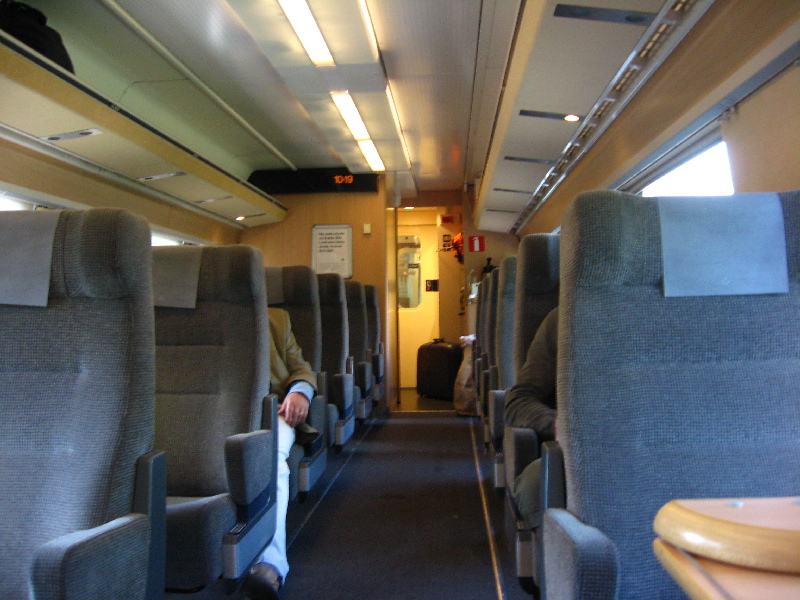
When I was booking the train tickets I encountered one of the oddities of SJ’s fare structure. It’s sometimes cheaper to travel first class than second class, including the days I was travelling. So on the Saturday morning I boarded the very shiny X2000 tilting train at Linköping and took my seat in the very nice first class coach. A first class ticket includes tea and coffee, fruit, newspapers and wireless internet.
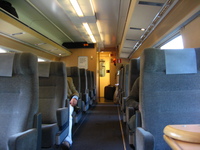
The interior of a first-class railway carriage, decorated in muted colours and wood panelling.

The journey was pleasant, with stops at Norrköping and Södertalje. Lots of typical Swedish countryside passing by; the well-kept fields and red-painted houses look like something from a postcard, but there are plenty of them in between stretches of forest.

Arrival at Stockholm Central is a bit confusing, there’s a shortage of maps to allow you to orient yourself. I wandered around a bit and eventually found a sort of self-service tourist information desk and picked up a free map. I worked out where I was and which exit I wanted then started to make my way towards the Skeppsholmen youth hostel, stopping on the way for lunch.

Skeppsholmen is an island close to the centre of Stockholm, opposite the royal palace. It was formerly occupied by the Swedish navy but now most of the buildings have been converted into museums. The hostel is the former carpenters’ workshops and accommodation, there are also rooms available in af Chapman moored outside. Of course, this being Sweden, there are rules. I couldn’t get into my room until 3pm, so I had to carry all my stuff around until then.
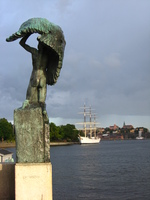
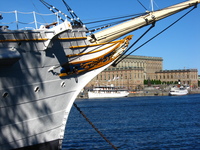
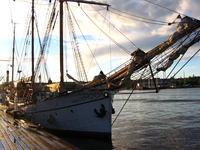
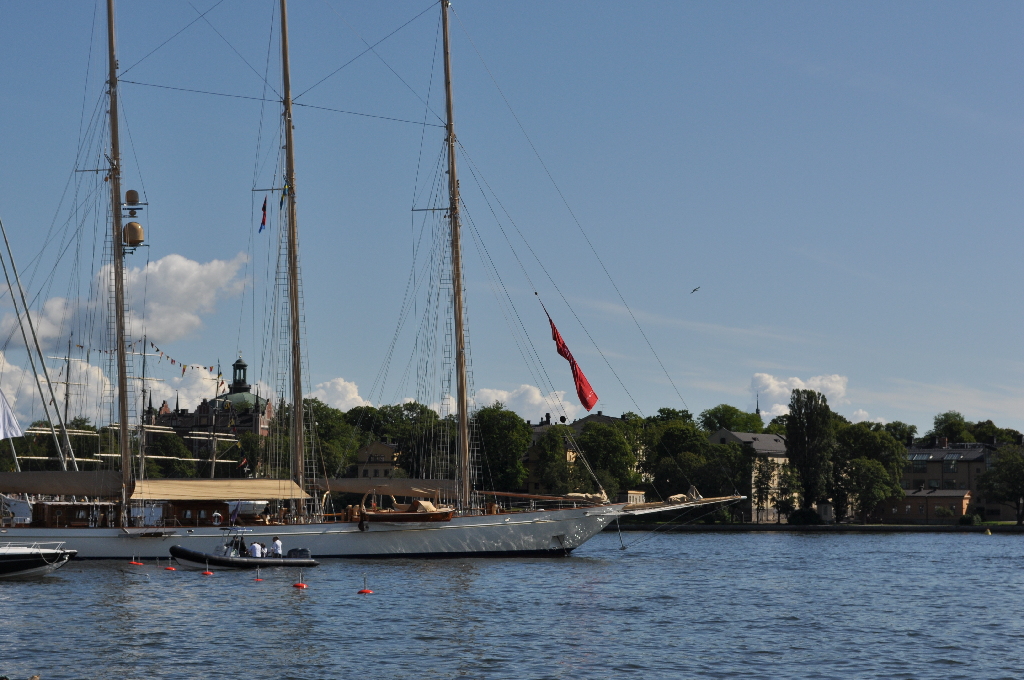
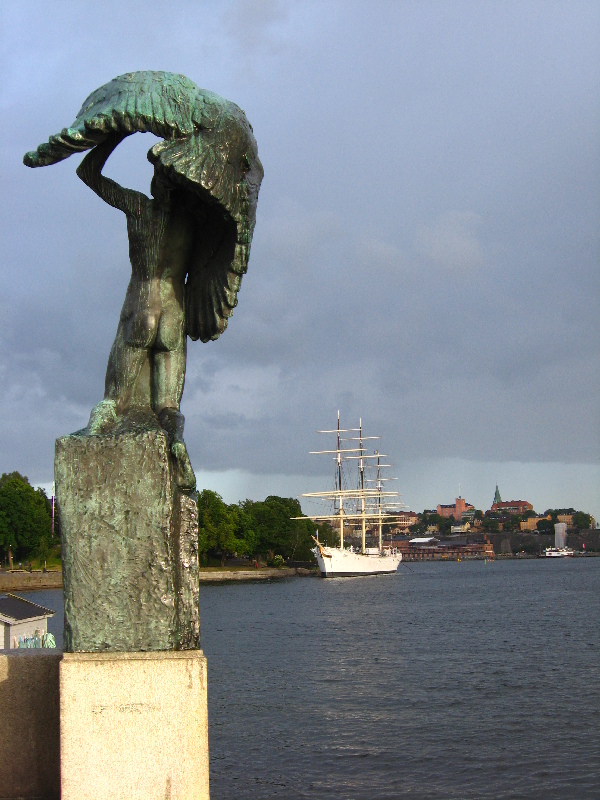
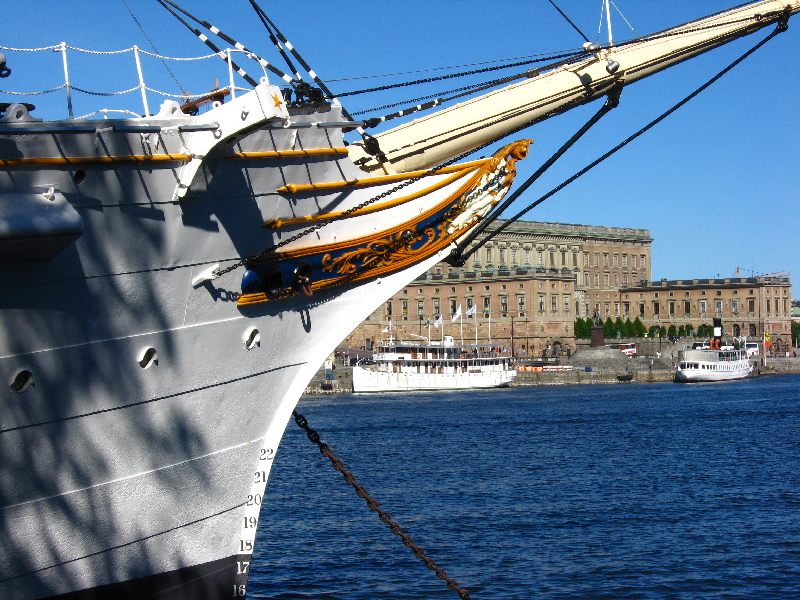
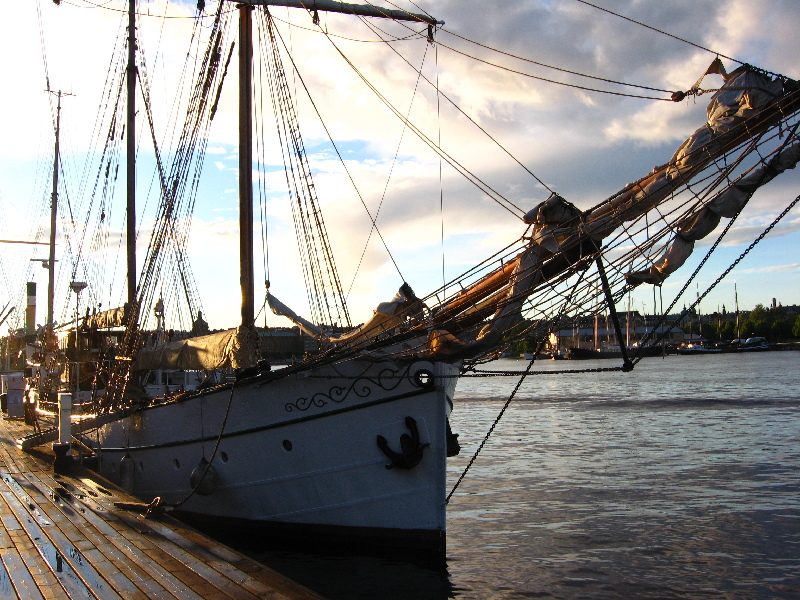
On the left, in the foreground, a bronze statue of a winged man marks the start of a bridge.  To the right, in the distance, a white-painted tall ship glows in the evening sun. The bowsprit of a white sailing ship frames the Royal Palace.

Back to KungsträdgÃ¥rd to the tourist information centre to buy a Stockholm Card. Another typical Swedish experience: “take a ticket and wait for your number to be called”. The manufacturers of these queueing machines must make plenty of money in Sweden.

On the way back to Skeppsholmen I walked past the Grand Hotel and almost right into Jay-Z, he was signing autographs on the pavement while several large American cars were being filled with wardrobes on wheels and hangers-on.

My first stop was the Arkitekturmuseet, in a modern building at the top of Skeppsholmen. It’s interesting, but not very interesting. A collection of models of various famous buildings and descriptions of typical building styles. Apparently the red paint with white corners on rural buildings was originally meant to look like (much more expensive) brick. It had started raining heavily while I was there, so I had an expensive espresso and waited for the rain to ease off before returning to the hostel.

My Stockholm Card included public transport, so I walked up to the ferry terminal at Nybroplan, getting fairly wet in the process. The rain stopped once I got there, so the long wait for the ferry wasn’t too bad. The ferry took me across to another island, DjurgÃ¥rden, which has many of Stockholm’s attractions, including the open-air museum Skansen. I spent a few hours wandering around Skansen, although most of the buildings had closed up at 5pm. Dinner was a takeaway reindeer meat, sour cream and mashed potato wrapped in flat bread thing from one of the stalls in the park.
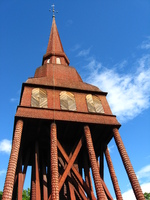
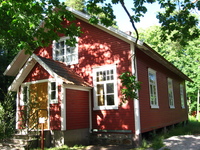
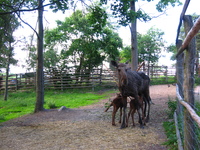
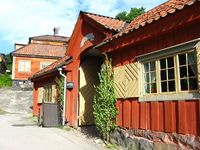
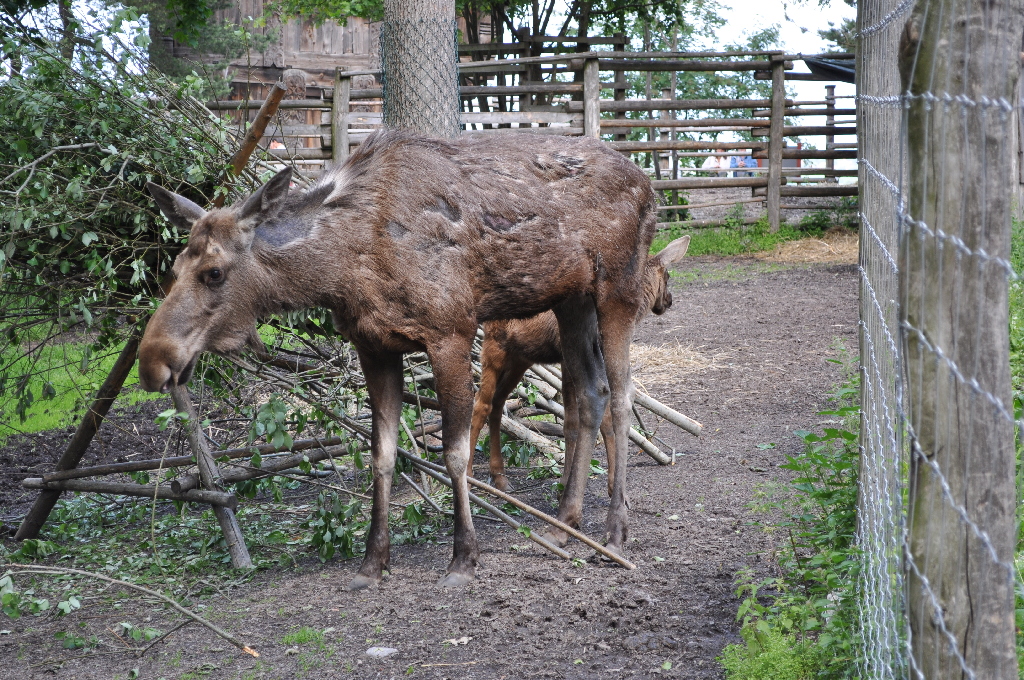
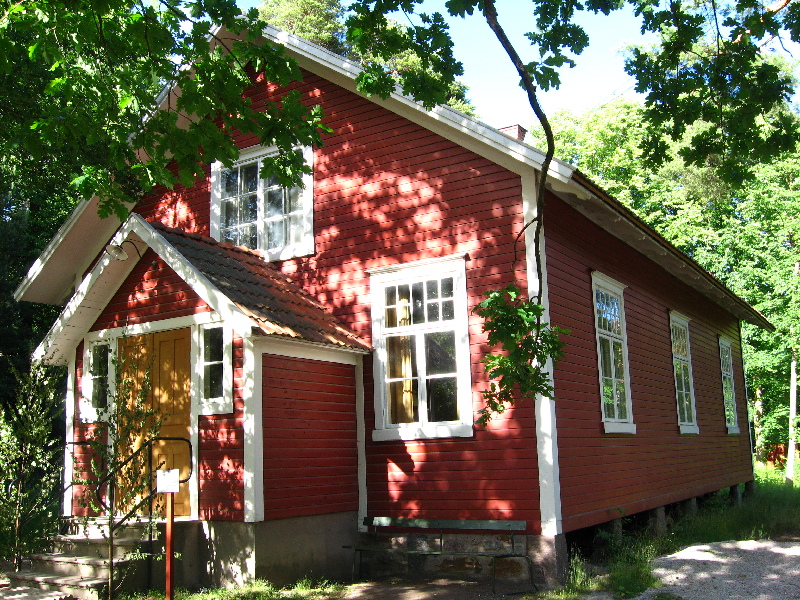
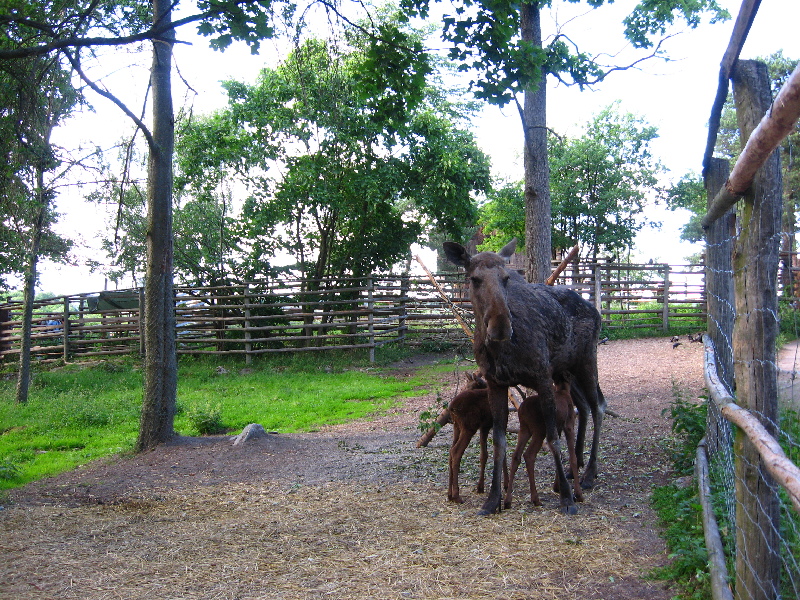
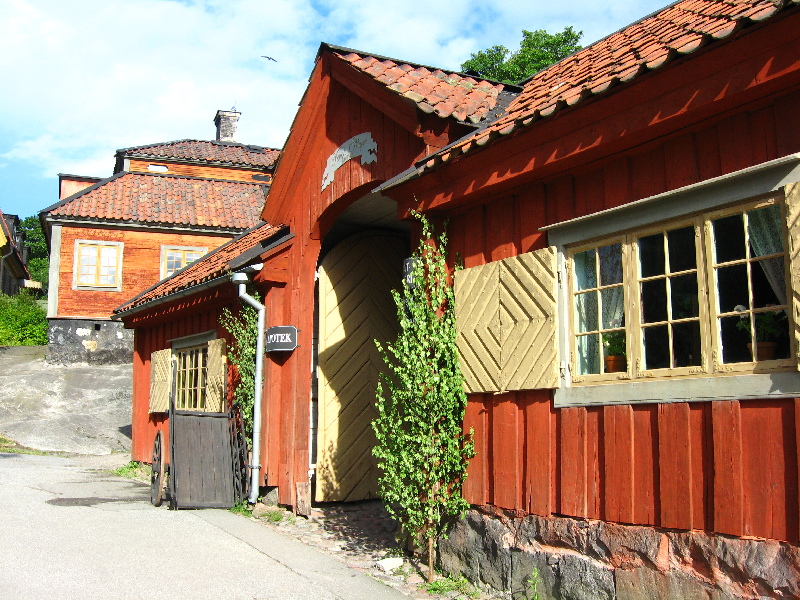
A red wooden belfry with shingled legs against a blue sky. A small wooden building, painted red and white. An elk with calves in a wooded enclosure. A single-storey wooden building with an archway leading through to the back.

I took the historic tram back into the city and the T-banen to Gamla Stan (the old town) but it had started raining again so I just had a quick scuttle around before returning to the hostel.

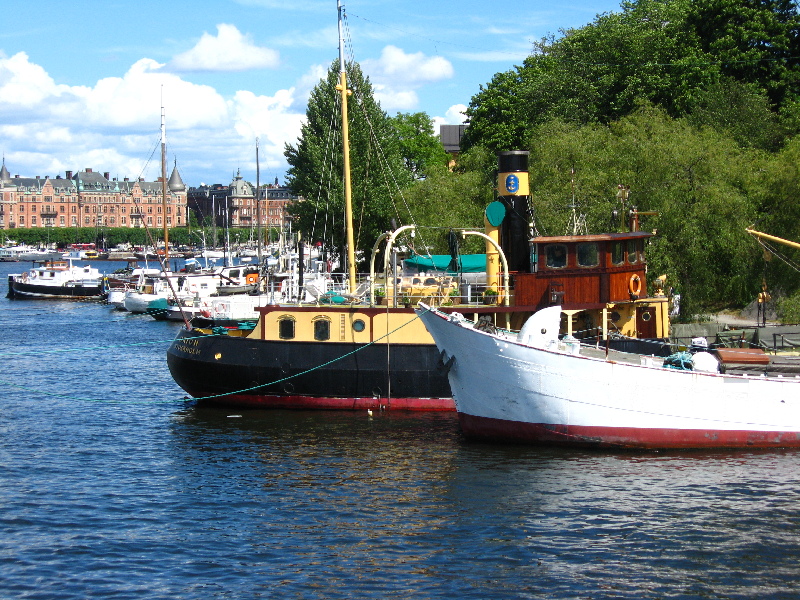
The Skeppsholmen hostel isn’t a very sociable place, lacking a comfortable lounge or communal area. Instead they have a bar/restaurant, which I’m sure is very profitable for them. I went for a walk round the island to look at the various old boats moored around it, many of them being lived in.
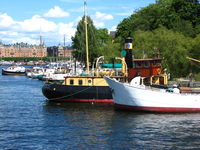
Old boats moored in front of trees. A sailing boat moored to a wooden quay.

The next morning, after a fairly restless night due to the horrible bed, I got up for a little stroll then returned for the breakfast buffet. The buffet was pretty good, all the usual muesli, bread, ham, cheese and of course a selection of pickled herring. I get the feeling that Swedish youth hostels are lagging behind the rest of the world, still a bit of the old puritanical attitude there and nowhere near as nice as the typical New Zealand hostel.

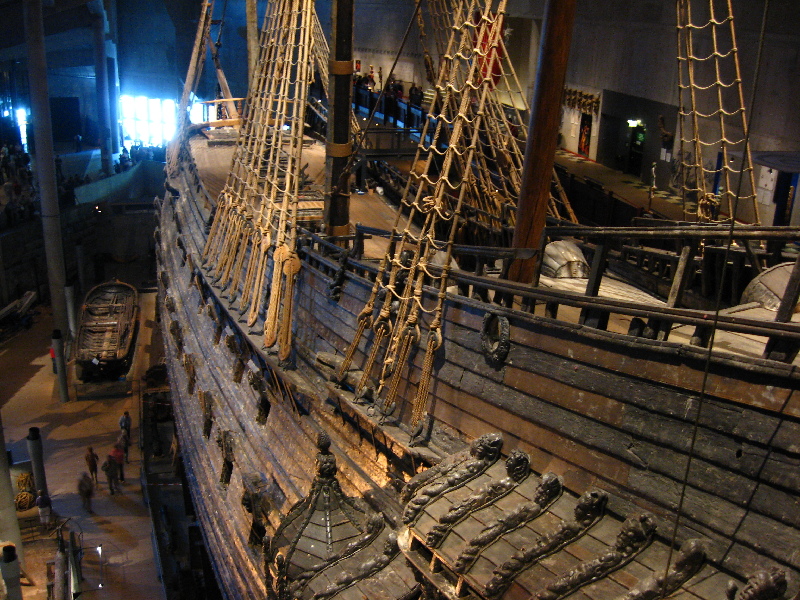
I packed up, checked out and walked round to Vasamuséet, public transport has a bit of a slow start on a Sunday and it was a nice morning for strolling along the waterfront. The museum is excellent; the Vasa itself is very impressive and well preserved and restored. In particular they’ve made it quite clear which parts are original and which are modern replacements. A little bit more technical information about the raising would have been nice, but that’s just my engineering side. Tied up outside are a few more museum-ships, but there’s a terrible lack of information about them, apart from a little exhibit on ice breaking aboard the S:t Erik. In the museum I overheard two visitors talking about some prices quoted on one of the displays: “is that modern euros?” (no, I think they’re talking about 17th century euros).
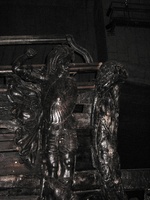
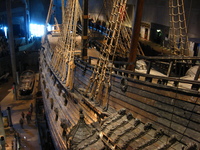
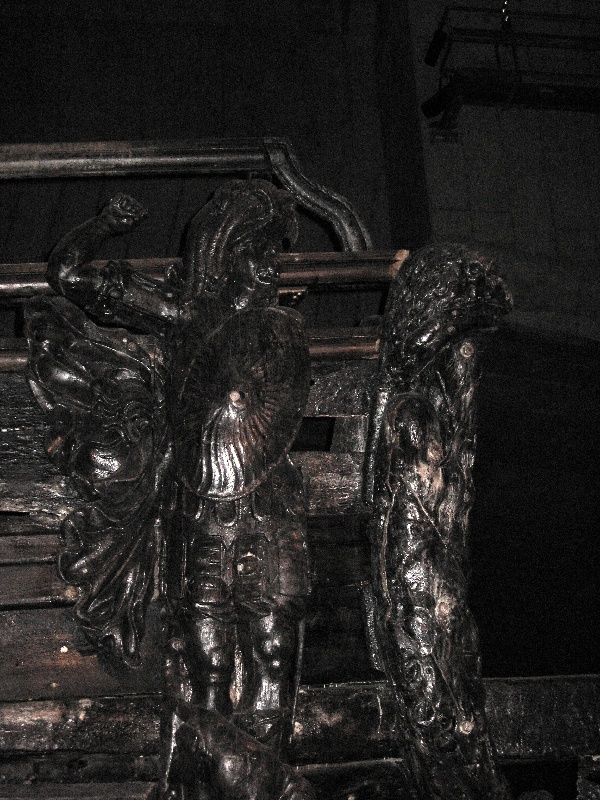
Wooden carvings on the side of a ship, the wood is very dark, almost black. A wooden sailing ship in a museum buidling, people milling around down by the keel.

After a quick hot dog and Coke for lunch I visited the Estonia memorial, I noticed that one of the victims was Nigerian. Then it was on to the Nordiska museet, a huge and impressive building but it seems to be short of useful exhibition space. They had some odd but interesting exhibitions, including one of table settings from various historical periods. Another exhibition was of furniture, mentioning the research of the Home Research Institute that led to the development of the Swedish kitchen standard, this was featured in a film I wanted to see a few years ago but never got round to: Kitchen Stories.

Back to the Gamla Stan, in better weather this time, for a wander around. I visited the Nobel Museum, which frankly isn’t worth it, it’s all fancy displays and little real content. Gamla Stan was heaving with tourists, mostly German, many of them with that annoying habit of stopping suddenly in the middle of the pavement to take pictures.

For the train back to Linköping I’d paid a bit extra for SJ’s “plusmeny”, a three-course meal served at your seat. It was very much like an airline meal but was pretty good. Hot smoked fish, mashed potato and vegetables in a cheese and mustard sauce and salad. The dessert part wasn’t so good: soggy cake, synthetic cream and a puddle of generic fruit goo.

Catching up

Filed under: sweden, travel — kevin @ 12:50

You might have noticed that since moving to Sweden updates here have been few and far between. I think it’s mostly because there’s not so much to tell people about, life in Sweden is fairly similar to life anywhere else in Europe/North America.

Today, while I’m doing laundry, I’m making an effort to catch up a bit. Later on there will be an entry about my weekend in Stockholm at the end of June.

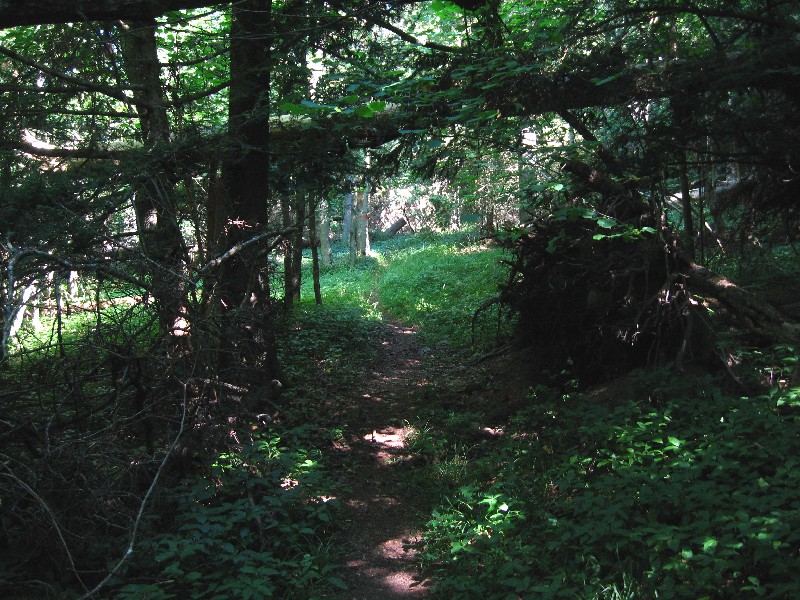
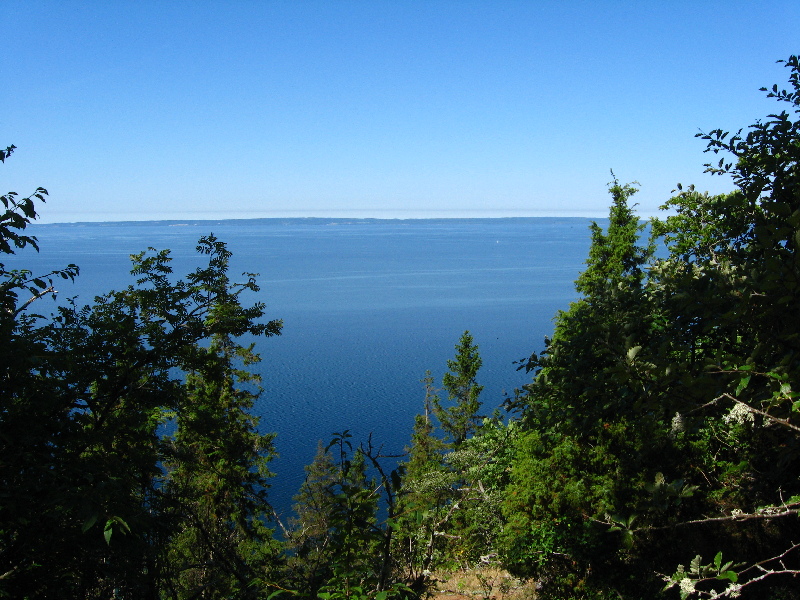
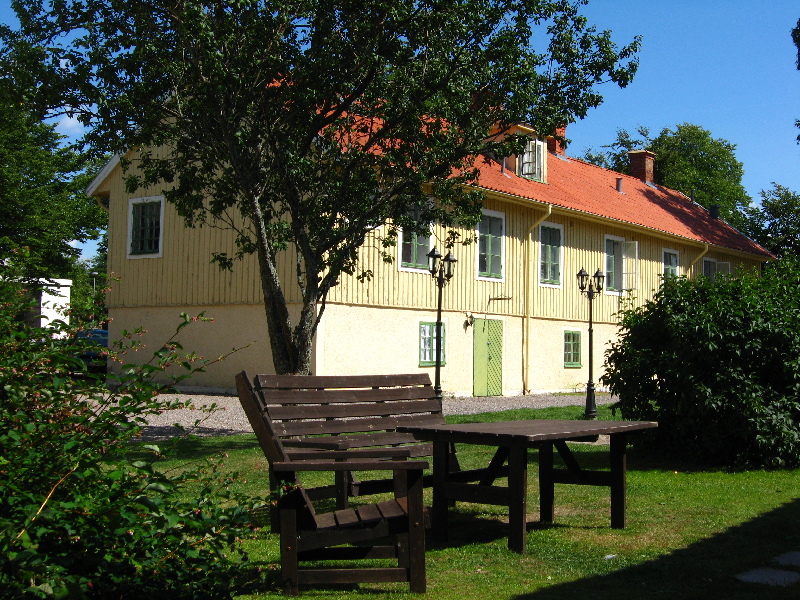
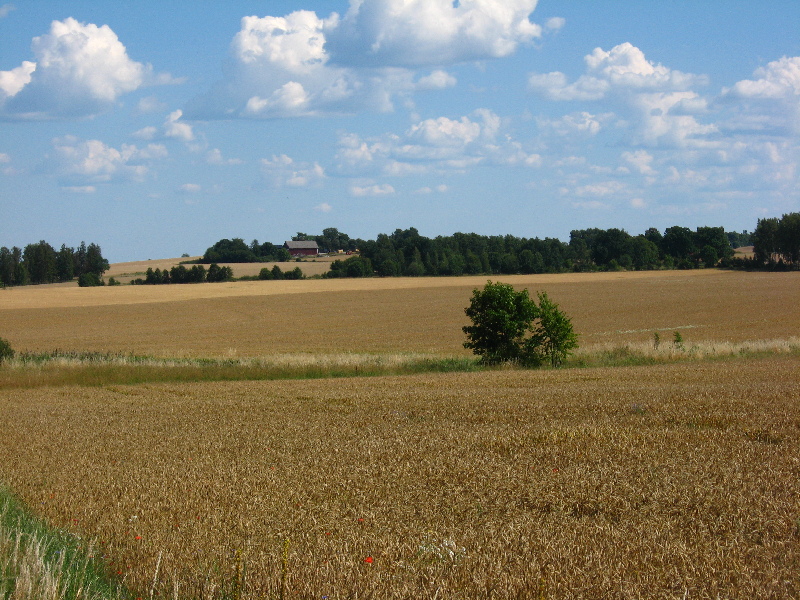
For now, here are some pictures from a hiking/camping trip to Omberg eco-park a few weekends ago. Lake Vättern is amazingly clear, apparently it’s safe to drink almost everywhere. Even in the harbour at Borghamn it was clean and free of the usual oily scum.

A narrow path leads through a dark coniferous forest, shafts of light shine down through gaps in the foliage. View across a large lake, framed by treetops in the foreground.  On the far side are low hills and above them a clear blue sky. An old two-storey building in gardens.  In the foreground are a sunlit wooden bench and table. Fields of golden crops stretch away from the camera, divided in the middle by a hedge with a single tree.  In the background red-painted farm buildings sit among trees.

7/5/2008

Published

Filed under: VSO, books, bradt, travel — kevin @ 16:36

The second edition of the Bradt guide to Nigeria is finally out, complete with my updates to the northern section and seventeen of my pictures (unfortunately the cover photo isn’t one of mine).
My copy should be on its way to me now, I’m really looking forward to seeing my photos in print. I suspect the money I’m being paid for the photos is going to be spent furnishing my new apartment, when I finally find one, maybe I should have asked Bradt to just pay me in IKEA vouchers…

24/2/2008

Leaving the Philippines

Filed under: philippines, rtw, travel — kevin @ 13:57

I’m currently waiting until 2255 (local time) so that I can check in online for my Singapore to London flight tomorrow. I’m hoping that if I check in early enough I can choose a decent seat, although BA seem to hold back some of the more desireable ones.

The overnight bus trip down from La Union province was much as expected: freezing cold (air-conditioning vents that you can’t turn off) and lacking in sleep.

Anyway, once I get back to Stirling this coming weekend I’ll upload my pictures and write more about what I’ve been up to in the Philippines.

Relaxing by the sea

Filed under: philippines, rtw, travel — kevin @ 12:33

After a cold week up in the mountains I needed somewhere warm to relax and worked out that I could get to San Fernando (La Union province) without too much difficulty. The guidebook mentioned that there were some nice beaches nearby.

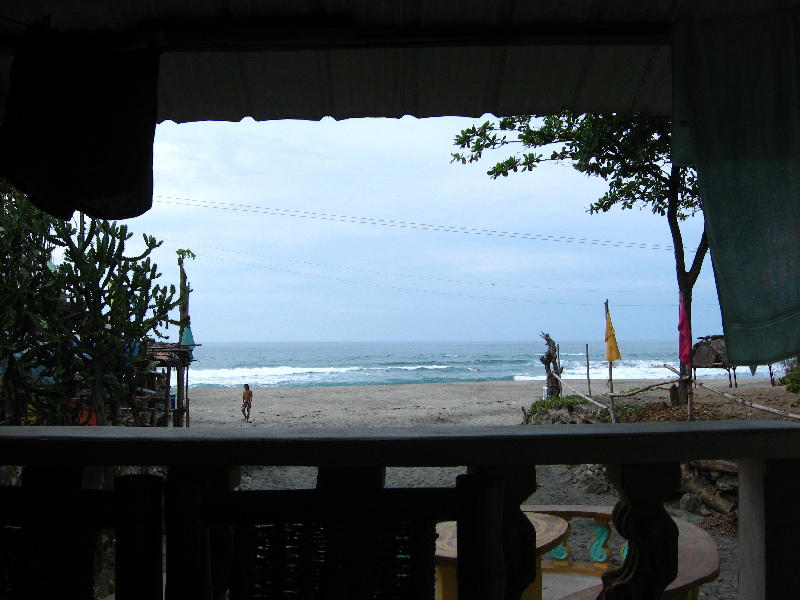
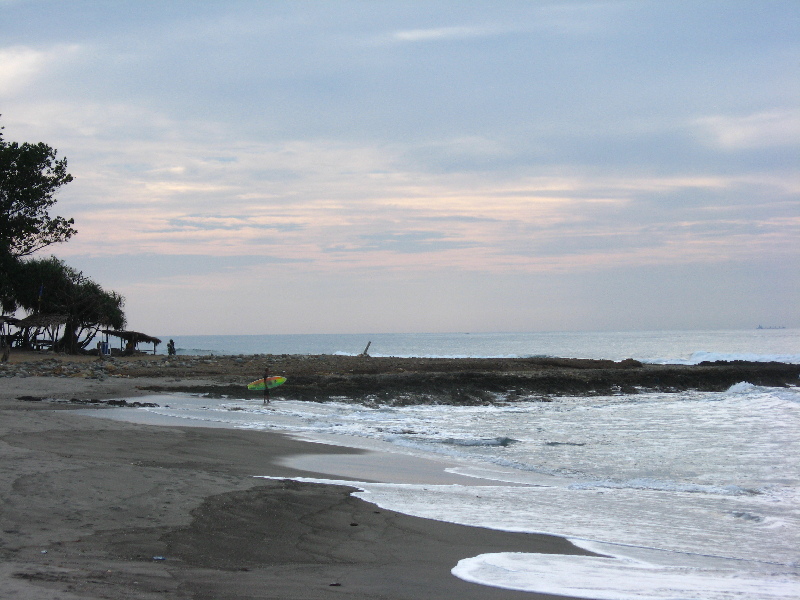
So after a long day on cramped buses I arrived in the little town of San Juan, just north of San Fernando. It’s full of surf resorts, so I just wandered along the road until I found one with a room at a decent price. I ended up with a nice little en-suite room right beside the beach for P500/night at Hacienda Peter’s Surf Resort. They also do lovely meals for only P50 and there’s a fridge full of beer, you just have to tell them how many you’ve drunk.
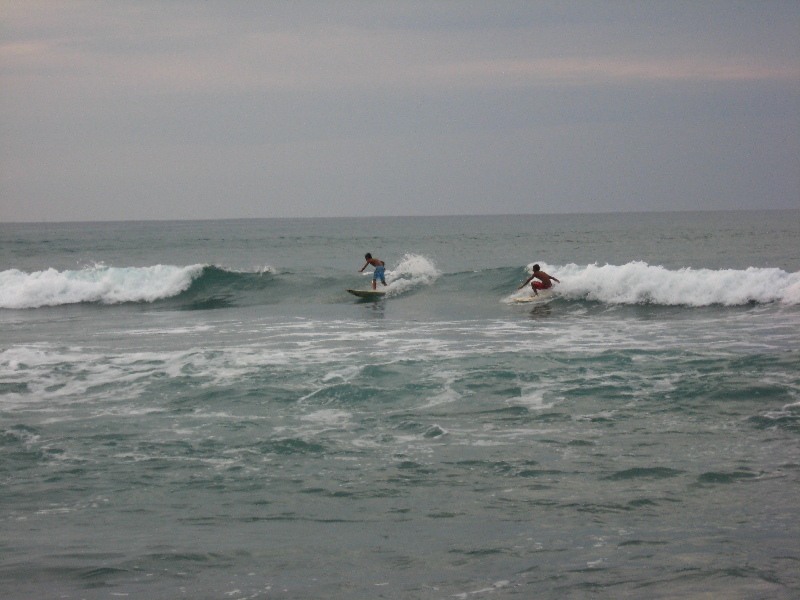
A beach seen from the veranda of a hotel room. A surfer stands holding his fluorescent yellow board, at the end of a curving beach. Two surfers surfing. The sun hangs just above the sea at the end of a curving beach, with a glowing streak of light reflected in the water and the wet sand.

I had a very relaxing few days there, lounging around, occasionally swimming and watching the surfing. On Friday, when I was leaving, they were holding a surf competition on the beach. Of course, that was the day when there were almost no waves at all, I felt sorry for the competitors bobbing about and desperately waiting for a wave before their time ran out.

Late on Friday night I caught a bus to Manila, the start of my journey back home.

20/2/2008

Into the mountains

Filed under: philippines, rtw, travel — kevin @ 12:07

From the airport in Manila I took a (very expensive) taxi straight to the Victory Liner bus terminal and caught the bus to Baguio.

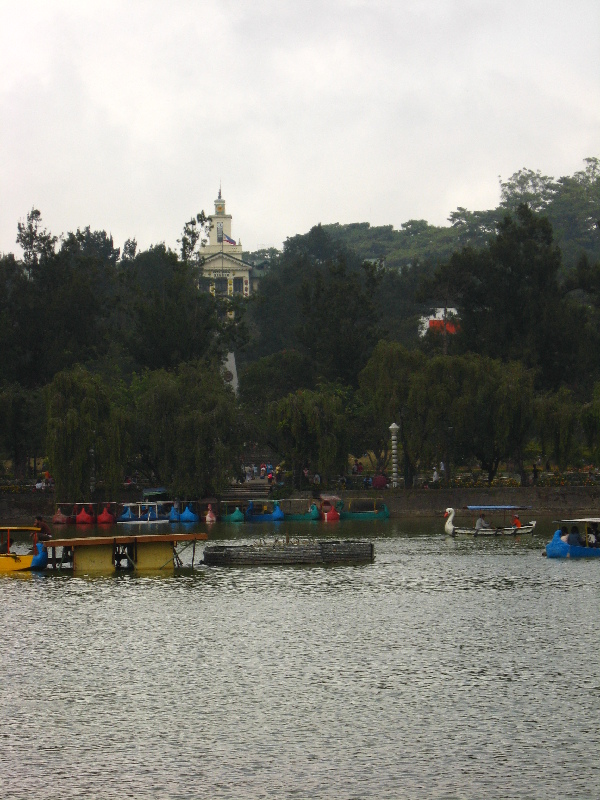
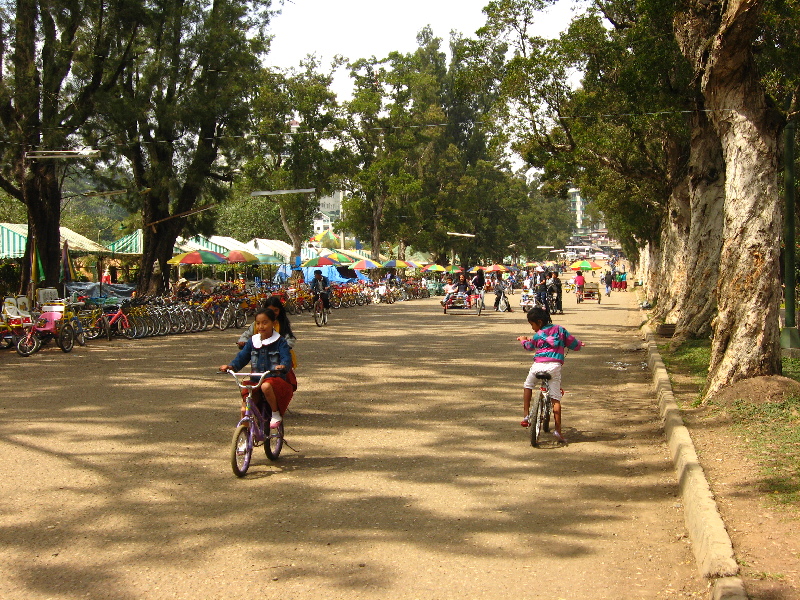
Baguio’s an interesting place, once the American summer capital of the Philippines it has pleasant peaceful areas as well as the jeepney-clogged, grimy, polluted areas. It was only really a stopover on my way further into the mountains though.
A lake with various small boats (some shaped like swans), with a building with a spire in the background. Children cycling on a quiet road in a park.

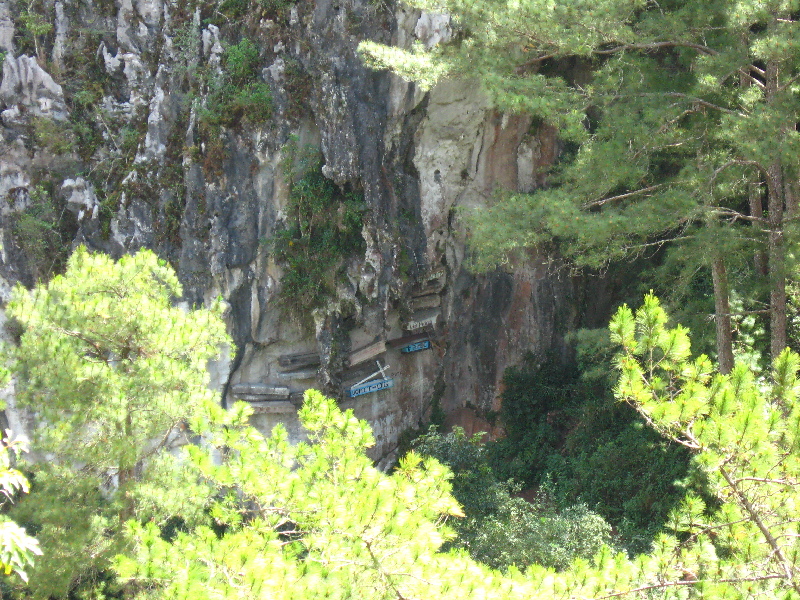
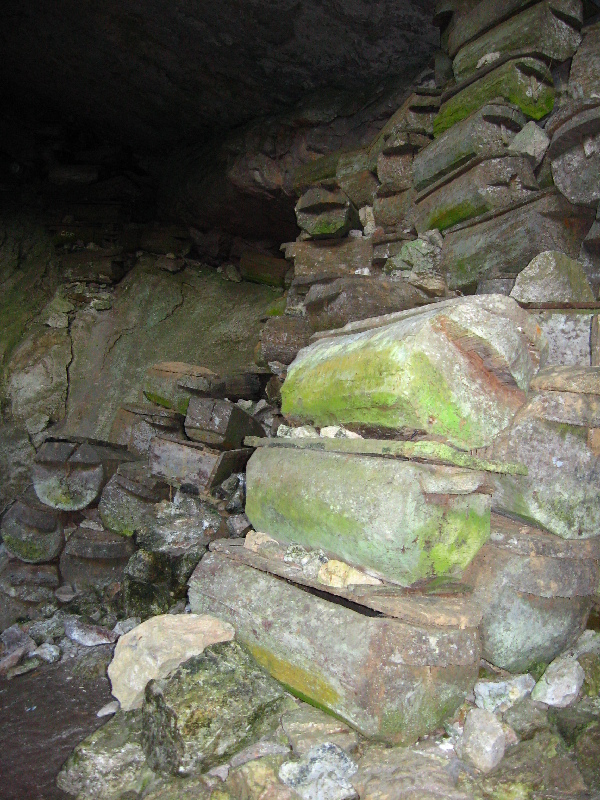
I then spent a few days in Sagada, one of the tourist centres of the Cordillera. It’s a nice little town, with plenty of hotels, cafés and restaurants and you can get a really good cup of local coffee there. Unfortunately the cost of guides to go and see most of the local sites was beyond my budget, but I did spent a morning sightseeing. Sagada is famous for coffins, both hanging off cliffs and stacked up in caves, as well as the rice terraces found all around that area.
Wooden coffins hanging on a cliff face. Wooden coffins piled up in a cave. Houses built on steep hills, below terraced fields.

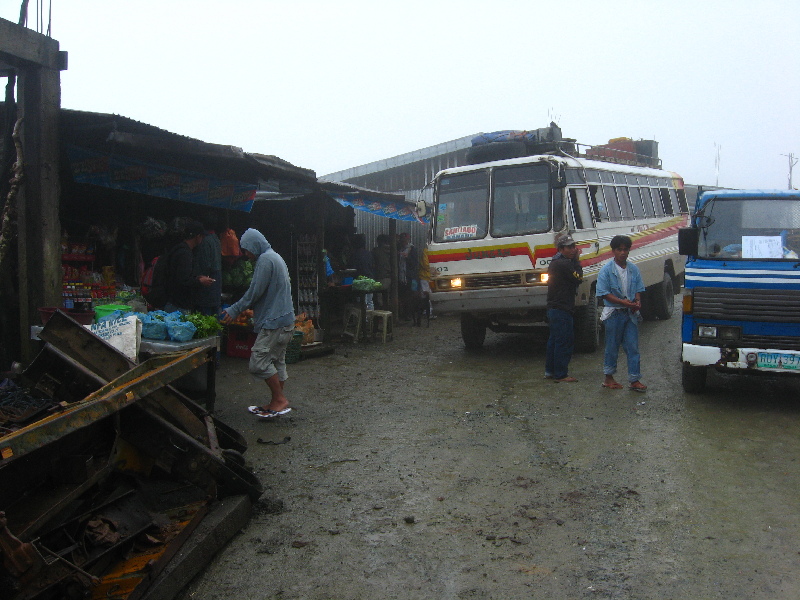
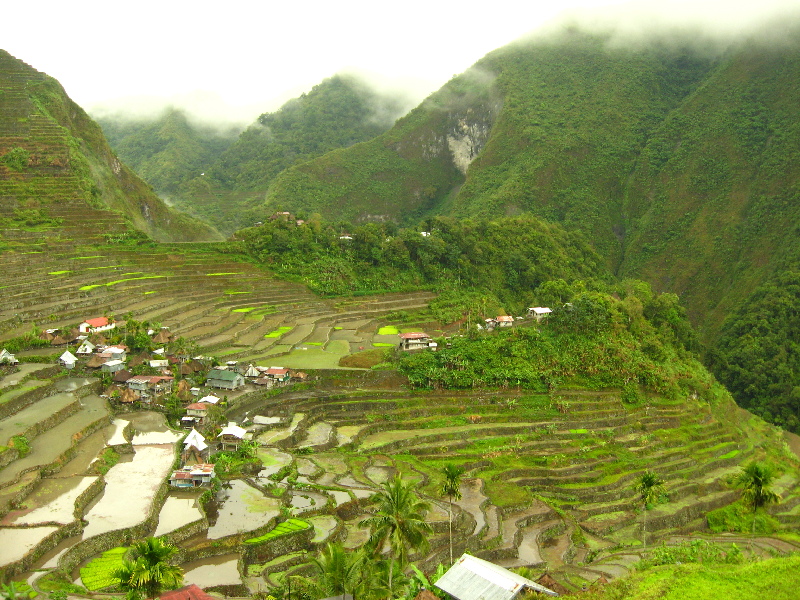
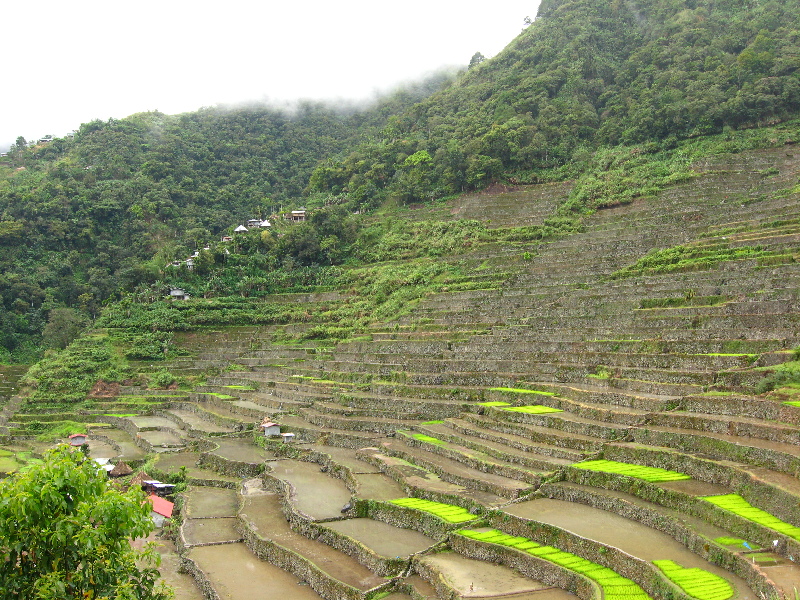
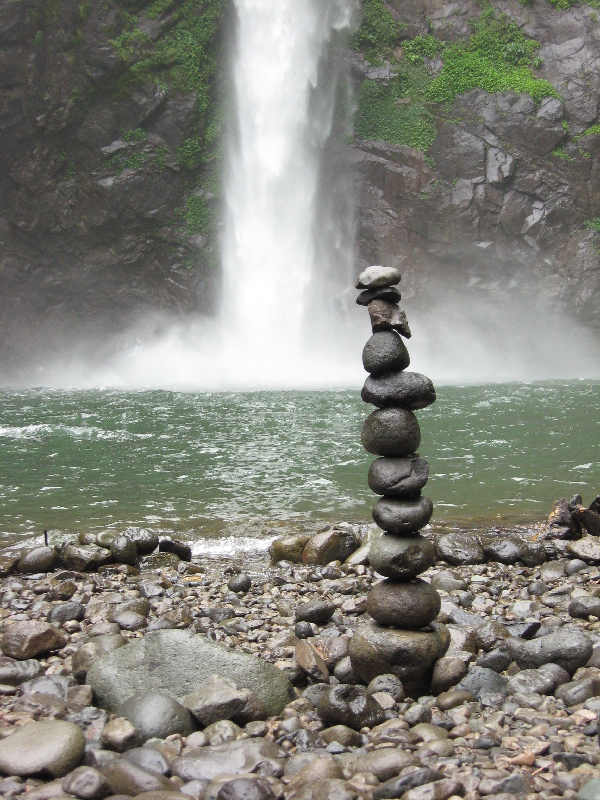
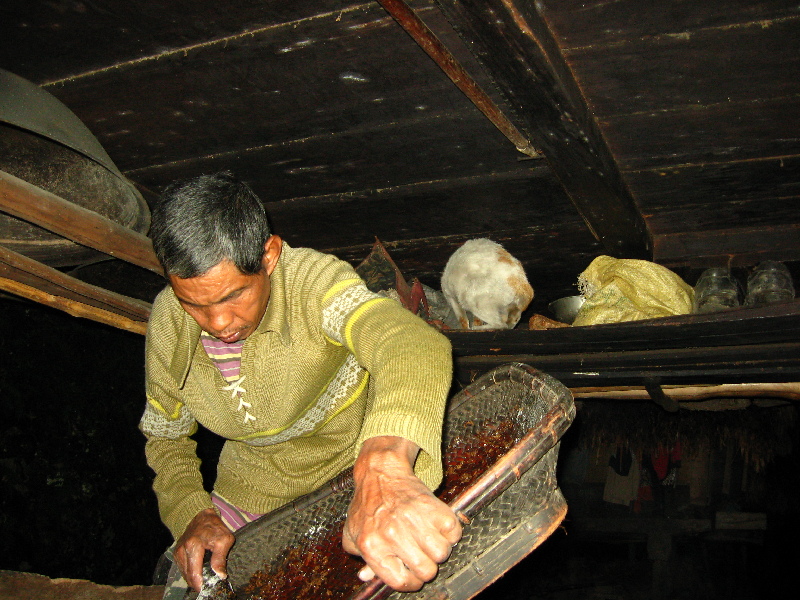
Not having had enough of rice terraces yet I made my way up to the village of Batad, via Bontoc. It’s the most famous of the terraced areas, and a little difficult to get to. From Banaue I hired a tricycle, which took me along the terrible road to Batad junction and then struggled up through mud and rain (with me pushing some of the time) to reach the saddle from where I walked down into the village. The weather was terrible while I was there, almost constant rain and low cloud, but I managed to wander around a bit and visit a nearby waterfall. I stayed in the only house in Batad village with electricity, owned by Gilbert who runs it as a homestay. On the evening of the first night we joined his next-door neighbours as they made the local rice wine.
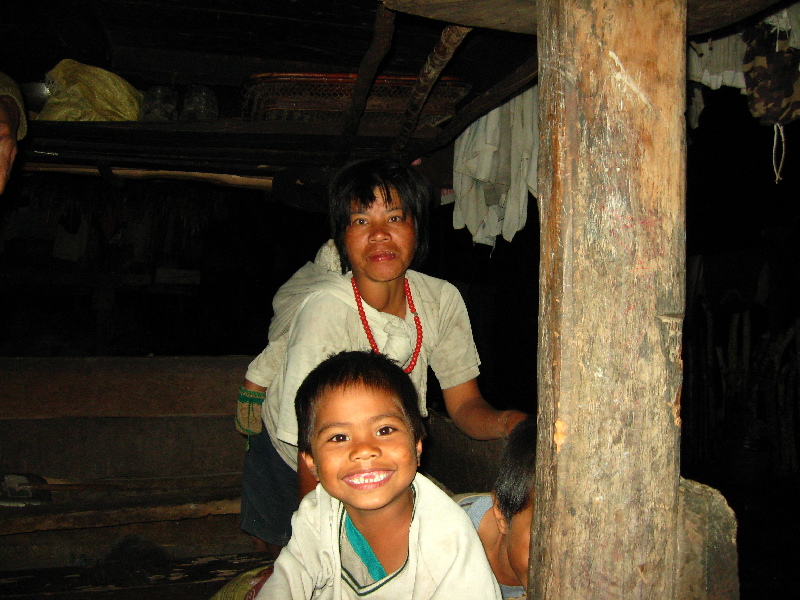
An old bus stopped outside some shacks on a muddy road. Small houses with thatch or metal roofs among rice terraces in the mountains. Stone-faced rice terraces leading up a steep slope. Stones piled on top of each other in front of a waterfall. A man pours pounded rice from a wicker tray into a bucket lined with palm leaves. A woman and young boy in a wooden house.

15/2/2008

Travelling in Northern Luzon

Filed under: philippines, rtw, travel — kevin @ 18:26

I’m currently in Sagada, in the mountains to the northeast of Manila.

I probably won’t get a chance to upload pictures until I’m back in Manila, around the 23rd.

11/2/2008

Visiting Marebec

Filed under: friends, philippines, rtw, travel — kevin @ 11:13

After Vigan I had the long bus ride back to Manila, another night at Friendly’s Guesthouse and then boarded a disturbingly rattly old 737 for the Air Philippines flight to Cagayan de Oro city, Marebec’s hometown. The approach to the runway at CdO was especially interesting, with the plan veering from side to side as the pilot apparently kept overshooting and then overcorrecting.

Marebec met me at the airport with her niece and took me back to her parents’ house. We went into town, where we kept bumping into people Marebec knows, met her sister and had dinner at a restaurant there.

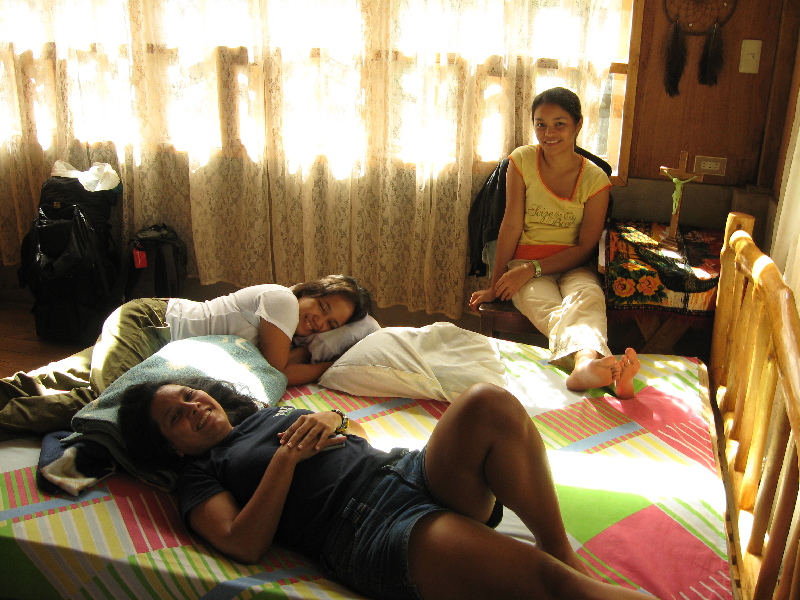
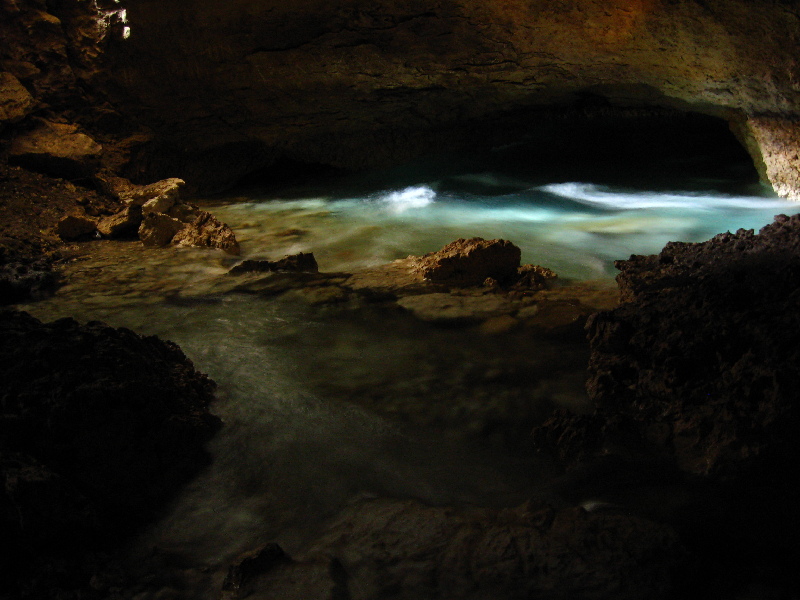
The next morning we took a bus to Malaybalay in Bukidnon province, where we met Tanya (another former VSO) and her friend Mavic (a former colleague of Tanya’s) at a nice café. There are some nice caves in the area, so the following day we took various buses and jeepneys to reach the ‘blue water’ cave.
Tanya and Mavic lying on a bed, Marebec sitting on a chair. A cave with bright blue water flowing through it. A river of muddy water, with some bright blue water flowing in from one side.

The next destination on Marebec’s plan was Camiguin island, just off the coast near Cagayan de Oro. We took an early bus to the port, then a very slow and rusty old ferry across to the island. We ended up staying at the Caves Dive Resort, their cheapest room was right by the beach (admittedly with a shared toilet and no air-con). We spent the afternoon lounging around or in my case mixing lounging around with trying to get through to Qantas’s office in Manila. On our second day on the island we hired a ‘multicab’ (a small truck with a minibus body built on the back) to take us around the island. Highlights were the Santo Niño Cold Water Spring (nice for swimming but quite cold), the ruins of a church destroyed by a local volcano and the Ardent Hot Spring, where we stayed for the night. On the way back from Camiguin we were incredibly lucky and saw some dolphins.
A rusty old ship sits in port.  In the distance behind it is a conical island. The ruins of a church cast shadows in smoky air.  Vivid green plants grow all around.

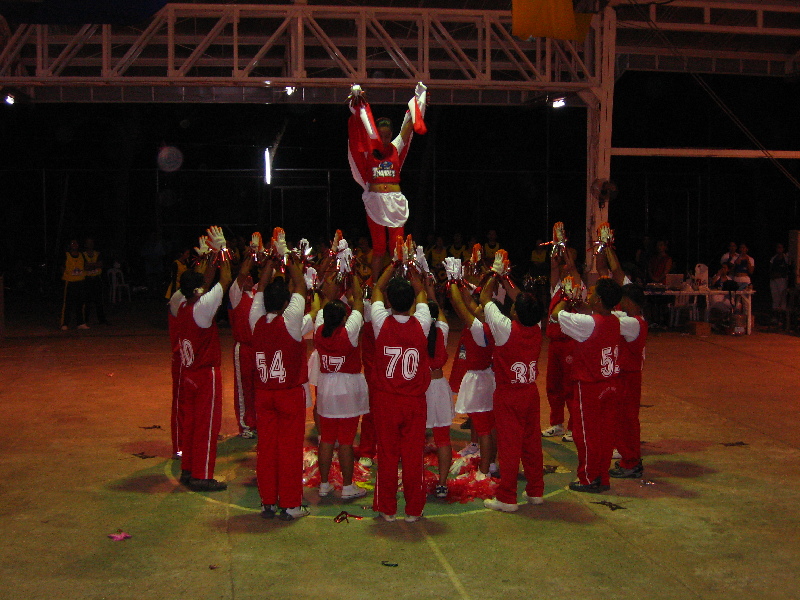
Back in CdO we had a free day to do laundry, drink coffee, do a bit of shopping and buy tickets back to Manila. Then in the evening Marebec picked us up and took us to the company she works for: MORESCO UNO. As the culmination of their company sports competition they were having a cheer-dancing competition and Tanya and I had been roped in as judges. It was one of the more surreal evenings of my life, sitting watching teams of electrical company staff performing their dance routines and having to award points.
A group of people in blue and white uniforms and white gloves dancing. A group of people in red and white uniforms dancing.

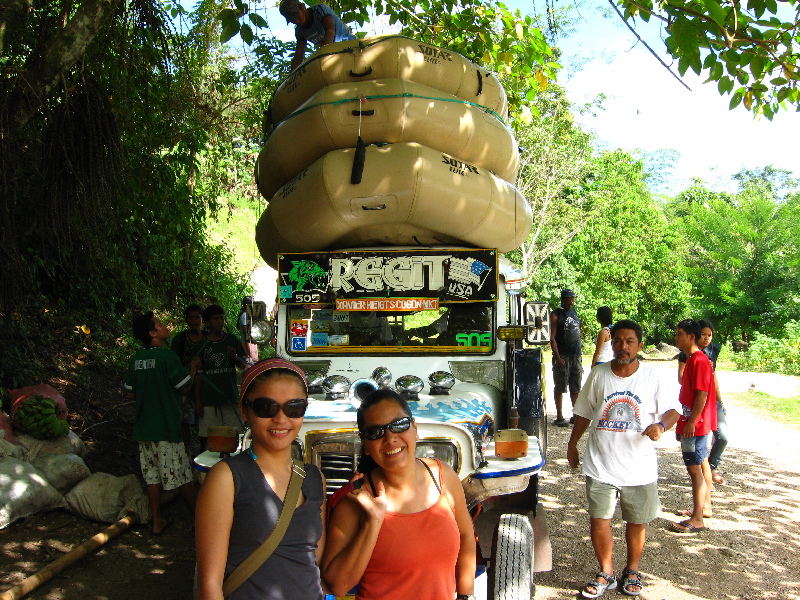
On our remaining days in CdO we went to see “Sweeney Todd” at the cinema and spent a morning rafting on the Cagayan river. Then I had a much less worrying flight with Cebu Pacific back to Manila.
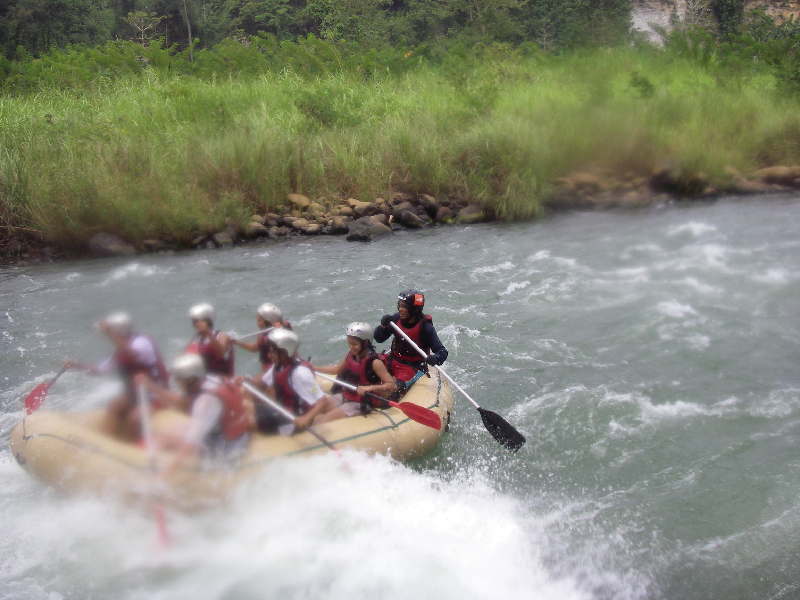
Marebec and Tanya standing in front of a jeepney with three rafts piled on its roof. Six people and a guide in a rubber raft paddling through rapids.

8/2/2008

Mindanao

Filed under: friends, philippines, rtw, travel — kevin @ 03:46

I’ve been visiting Marebec in Mindanao for the last week, Tanya is also around so it’s a little former-VSO-Nigeria reunion.

We’ve spent a few days in Malaybalay and another couple of days on Camiguin island. There are photos but I’ve not had a chance to upload them yet. In fact I might not get around to it until I’m back in Scotland.

On Monday I’m planning to fly back to Manila then catch a bus up to Baguio to start a bit of a tour round Northern Luzon. If all goes according to plan this will include the rice terraces in Batad and Banaue and some time in Sagada. For any remaining days I’ll try to find somewhere peaceful and relaxing before heading back to Manila and flying home.

31/1/2008

Vigan

Filed under: philippines, rtw, travel — kevin @ 11:01

Manila is interesting, but not a place I’d like to spend very long. As I had a few spare days before heading down to visit Marebec I decided to go north and visit Vigan, a fairly well-preserved colonial city.

It’s a nice place, much quieter than Manila, and on one street in the old town they’ve even banned motorised transport. Instead horse-drawn ‘calesas’ take tourists around. Not all of the old buildings are in very good condition, ‘beware of falling debris’ signs abound. Some of the old houses are open as museums, so you can see how the wealthy lived during the Spanish colonial era.
White-painted two-storey houses line both sides of a quiet, cobbled street. Three storey houses with bits dropping off them and a sign warning about falling debris. A living room with old wooden furniture and religious knick-knacks.

The unfortunate thing for me was that prices had shot up since the guidebook had been written. Many of the hotels seemed to have been renovated and the places with dormitories only wanted to hire out the whole thing, not just one bed. I ended up paying P700 a night for an en-suite room with no air-conditioning at the Gordion Inn, well over my accommodation budget.

I’d arrived in time for the last few nights of a local festival (programme), so there were lots of stall in the main square selling street food. This included a local speciality, empanadas. These were a bit different from the Chilean ones, fried and with pork and cabbage filling, but very tasty and cheap.

Bizarrely the cable TV in the hotel included some African DSTV channels, I was a bit worried that the channel would suddenly be changed (in the middle of a film) to Africa Magic!

Here are some pictures showing transport in Vigan (the motorbikes with sidecars are common in most Filipino cities) and the ‘Earthquake Baroque‘ cathedral.
A street scene with horse-drawn carriages and motorbike-sidecar taxis. A wide, low church in white plaster, with a bell tower standing off to one side.

Next Page »

Powered by WordPress